Tactical Stalemate as New England Mutiny W and Vermont Green W Share Points
New England Mutiny W's decision to deploy a 4-3-3 formation set the tone for an ambitious approach to the match, clearly signalling their intent to dictate play from the onset. Manager's gamble on three attackers aimed to exploit any vulnerabilities in the Vermont Green W defence, pushing for early dominance. In response, Vermont opted for a more measured 4-2-3-1 structure, prioritising a strong midfield to counter the home side's attacking threats. This strategic clash in the dugouts hinted at a tactical battle that would unfold beyond the players on the pitch.
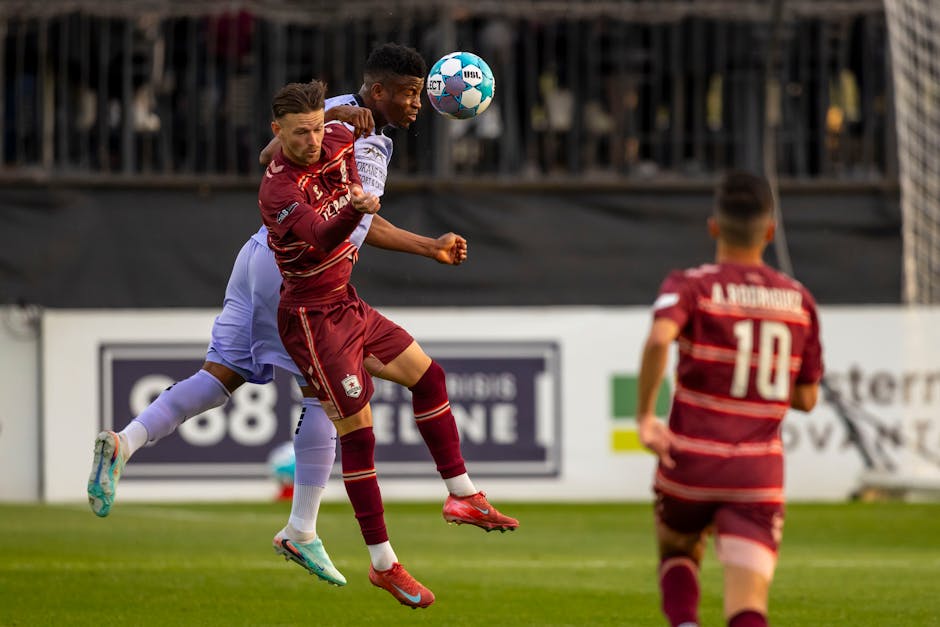
As the first half developed, New England's strategy of high pressing and quick possession recovery became apparent. They targeted the flanks with relentless energy, attempting to stretch Vermont’s compact formation and create openings. However, Vermont’s disciplined structure proved effective; their midfielders executed their roles well, effectively neutralising New England's advances by maintaining shape and cutting off crucial passing channels. The midfield battle intensified, with both teams desperately vying for control, resulting in a stalemate rather than any decisive breakthrough as the first half drew to a close.
Recognising the need for greater creativity, New England's manager made a pivotal substitution at half-time, introducing a more dynamic midfielder to invigorate the attack. This tactical switch aimed to dismantle Vermont’s resolute defence and spark the necessary attacking impetus. Immediate impact was felt as the new midfielder injected vitality into the game, linking up intelligently with the wingers and generating openings that had previously been absent. The home side's enhanced energy shifted the momentum, forcing Vermont into a defensive posture to absorb the pressure.
In response to New England’s early second-half surge, Vermont's manager recognised the shift and opted for tactical adjustments. The visitors pushed their players higher up the pitch, aiming to regain territorial control in midfield and disrupt New England’s rhythm. This counter-move led to a more open game, inviting end-to-end action as both teams pressed for shifts in fortune. Vermont’s midfielders engaged New England’s defenders, seeking to exploit any lapses in concentration, with the match now reflecting a more dynamic flow.
A decisive managerial moment arrived when Vermont’s manager opted to fortify his backline, bringing on an additional centre-back to shift to a more defensive formation. This tactical gamble aimed to preserve the point as New England intensified their search for a winning goal. The decision sparked varied reactions among fans, seen as either a pragmatic move or an overly cautious approach. Yet this adjustment illustrated the ongoing chess match between the two managers, each striving to outmanoeuvre the other as the match progressed.
As the second half unfolded, the ramifications of the managerial choices became increasingly evident. New England Mutiny W finally broke the deadlock after a well-orchestrated attack, showcasing the effectiveness of their substitutions. The goal shifted the dynamics significantly, compelling Vermont to reassess their approach and respond to this newfound urgency. However, the visitors quickly found their footing, launching a counter-attack that culminated in an equaliser, a direct result of the tactical adjustments made by their manager. This swift retaliation demonstrated that the contest remained fiercely competitive.
The match held significant implications for both teams, especially given their close standings in the league. New England was eager to assert their dominance on home turf, while Vermont sought to solidify their position in the upper echelons of the table. The draw left both teams in a tight race, with every point crucial as the season unfolded. Each manager understood the importance of securing points not only for morale but for their respective campaigns as they navigated this challenging division.
This tactical stalemate will compel both managers to reassess their strategies as the league progresses. New England must find ways to translate pressure into consistent goals, while Vermont will look to build on the resilience demonstrated throughout this match. With the stakes rising, the tactical battles are set to intensify, demanding adaptability and sharp tactical acumen from both teams in the evolving landscape of the USL W League.
Although the scoreline read 1-1, the real victory lay in the tactical acumen displayed by both managers. New England Mutiny W's initial boldness encountered Vermont Green W's determined resilience, resulting in a match rich in strategy rather than individual brilliance. Each dugout showcased its tactical ingenuity, cementing this draw as a testament to the cerebral contest that unfolded on the pitch.
Both teams leave the match with a sense of unfinished business, aware that the decisions made by the managers shaped the outcome far beyond the scoreline. New England's approach highlighted their attacking aspirations, but Vermont's adjustments proved equally significant in maintaining competitive parity. As each side reflects on the tactical nuances presented throughout the match, the lessons learned will undoubtedly influence their upcoming fixtures.
The first half may have suggested a stalemate, but the changes instigated during the break revealed the depth of strategy at play. New England's urgency contrasted sharply with Vermont's composed counter, painting a picture of two philosophies colliding in the heat of battle. The tactical chess match not only entertained but highlighted the critical importance of managerial decisions in shaping the identity of each team.
As both managers prepare for future encounters, they will carry the weight of this draw as a reminder of the razor-thin margins that can dictate a match. The outcome exemplifies the complexities inherent in professional football, where tactical decisions echo through the league standings and impact team morale. With the season still unfolding, both coaches will look to refine their strategies, ensuring that their teams remain competitive in this demanding league.